Imported Exotic Plants Price Pakistan: Bonsai, Cycads & Palms
Summary: Imported exotic plants price Pakistan varies enormously by category, age, and rarity bonsai alone ranges from roughly PKR 1,500 for a starter tree to PKR 60,000+ for a collector-grade imported specimen. Cycads and exotic palms follow a similar age-and-rarity-driven pricing logic, though reliable published pricing for these categories is far harder to find than for bonsai.
Why “Exotic Plant Pricing” Isn’t a Single Number
Searching for imported exotic plants price in Pakistan across bonsai, cycads, and palms turns up wildly inconsistent numbers because these aren’t commodity plants with a fixed market rate. Age, trunk or stem thickness, styling history, and rarity all move price dramatically within the same species.
This guide gives you the clearest, most honestly sourced picture available: a genuine tiered pricing structure for bonsai, where good Pakistan-specific data exists, and a transparent framework for cycads and exotic palms, where it currently doesn’t.
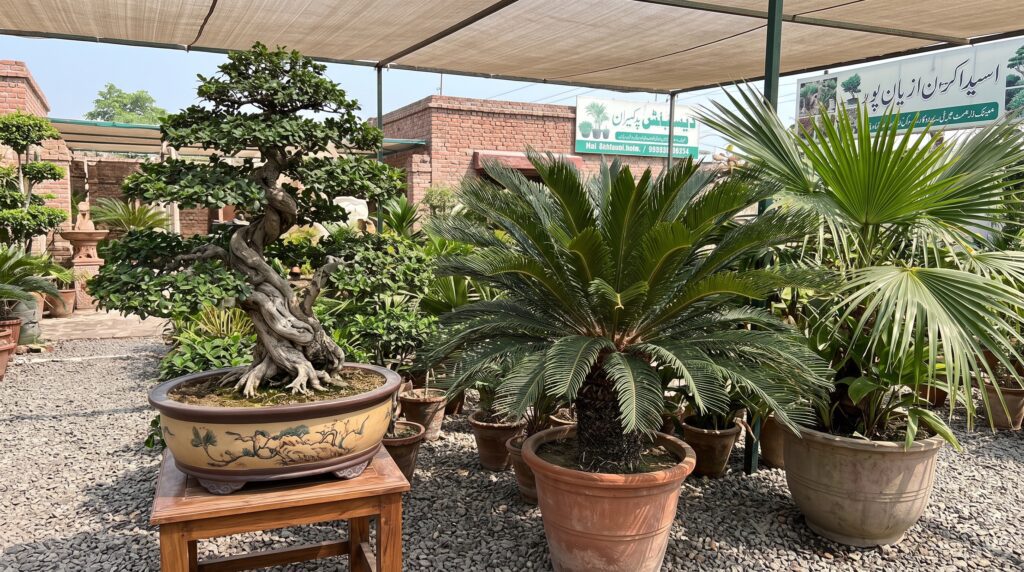
Bonsai Pricing in Pakistan: A Genuine Tier Structure
Summary: Bonsai pricing in Pakistan generally follows four tiers based on age, trunk development, and rarity starter trees, medium mature specimens, premium aged trees, and collector-grade imported specimens. Imported and exceptionally aged bonsai sit at the top of this range, often exceeding PKR 60,000.
| Tier | Approximate Price Range | What Drives This Tier |
|---|---|---|
| Starter Bonsai | PKR 1,500 – 5,000 | Young trees, already shaped but still developing; typically ficus or jade |
| Medium Mature Bonsai | PKR 4,000 – 15,000 | Established trees with thicker trunks and visible branch structure |
| Premium Aged Bonsai | PKR 20,000 – 50,000 | Older trees with significant trunk thickness and refined styling |
| Collector / Imported Specimens | PKR 60,000+ | Rare varieties, genuinely imported trees, or exceptional age and styling |
⚠️ Common Client Mistake: Comparing a starter-tier bonsai price against a collector-grade imported specimen and assuming one seller is simply overcharging. These aren’t the same product age, trunk development, and styling history place them in genuinely different value tiers, similar to comparing a young sapling to a mature, structurally developed tree.
💡 Our Experience: In our nursery and softscape sourcing work, we’ve found that buyers new to bonsai often underestimate how much styling history and trunk age matter to price two bonsai of the same species and similar size can differ significantly in price based on how many years of deliberate shaping went into the specimen.
Cycads and Exotic Palms: What We Can and Can’t Tell You
Summary: Reliable, current, Pakistan-specific pricing for cycads and exotic palms was not confidently available at the time of writing most published pricing found online was from Indian nurseries in a different currency context, not Pakistani suppliers. What we can offer is the same age-size-rarity framework that determines value within these categories, and a direct recommendation to request current quotes for real figures.
- Sago palm / Cycas revoluta: Despite the common name, this is botanically a cycad, not a true palm; a genuinely ancient plant group prized for its slow growth and architectural form.
- True exotic palms (Areca, Bottle, Foxtail, Date, and similar varieties): Pricing generally scales with trunk height, maturity, and how established the root system is at time of sale.
- Cycads generally: Slow growth rates mean older, larger specimens represent years of cultivation time, which is reflected in significantly higher pricing than younger specimens.
⚠️ Common Client Mistake: Assuming “sago palm” and “true palm” are interchangeable terms with similar pricing logic. Cycads like the sago palm are a botanically distinct, much older plant group than true palms, and their slow growth rate is a genuine driver of their value at larger sizes a different pricing logic than fast-growing true palm varieties.
What Actually Drives Price Across All Three Categories
Summary: Age, size, rarity, and import status are the consistent price drivers across bonsai, cycads, and exotic palms, even where exact published figures aren’t available for every category. Understanding these drivers lets you evaluate any specific quote you receive, even without a fixed published price list.
- Age and development time: Slow-growing specimens (bonsai, cycads especially) represent years of cultivation, directly reflected in price.
- Size and trunk/stem thickness: Larger, more structurally developed specimens command higher prices across all three categories.
- Rarity and species desirability: Less common species or particularly well-formed specimens carry a premium over common, widely available varieties.
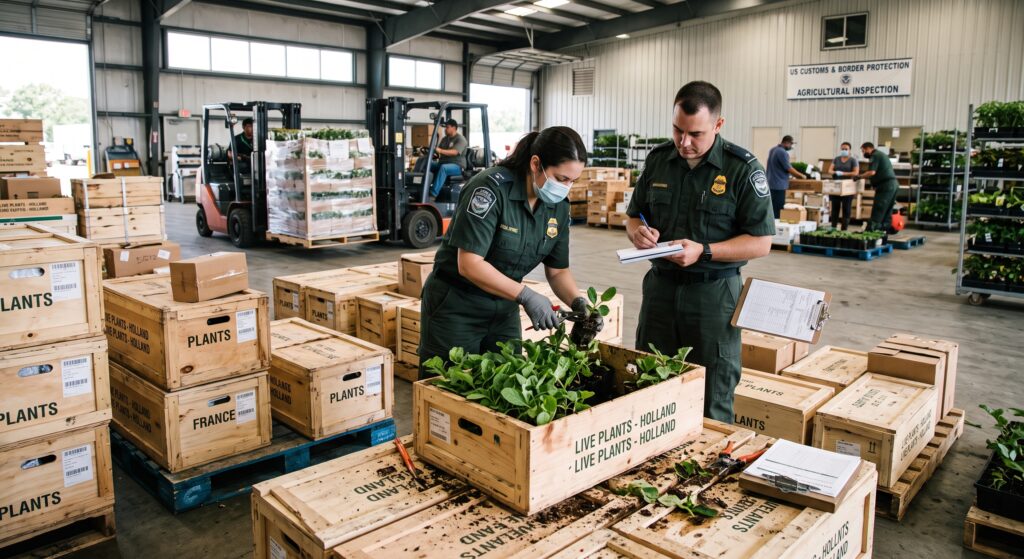
- Import status and documentation: Genuinely imported specimens, particularly when properly documented with phytosanitary certification, typically command a premium over locally propagated plants marketed as “exotic.”
🛠️ Professional Tip: When shopping for any of these three categories, ask specifically about the plant’s age and, for imported claims, request documentation such as a phytosanitary certificate. This is the clearest way to verify you’re paying for what’s actually being represented, rather than a locally grown plant marketed with an “imported” or “rare” label.
Sourcing Exotic Plants: What to Verify Before You Buy
Summary: Beyond price, verifying plant health, import documentation where relevant, and post-purchase care support are essential steps before committing to a high-value specialty plant purchase. A lower price with no health guarantee or care support can end up costing more if the plant doesn’t survive establishment.
- Plant health verification: Check for pest-free, disease-free condition, particularly important for imported stock that has undergone transit stress.
- Import documentation: For genuinely imported specimens, request phytosanitary certificates confirming compliance with plant quarantine requirements.
- Post-purchase care guidance: Reputable suppliers should provide species-specific care instructions, particularly important for slow-growing, high-value specimens where mistakes are costly to recover from.